Last updated on 2/27/2026.
Accessory Dwelling Units (ADUs) have become one of the most practical and flexible housing solutions in Bellingham and throughout Whatcom County. Rising housing costs, limited rental supply, and updated state legislation have made ADUs more accessible and more valuable than ever before.
As of 2026, most residential properties in Bellingham can support one or even two ADUs, provided zoning and development standards are met. Whether your goal is rental income, multigenerational living, or long-term flexibility, a well-designed ADU can significantly enhance how your property works for you.
This guide walks through the full ADU process, from zoning feasibility and design to permitting, construction, and long-term value so you can make informed decisions before you build.
ADU Basics in Bellingham & Whatcom County
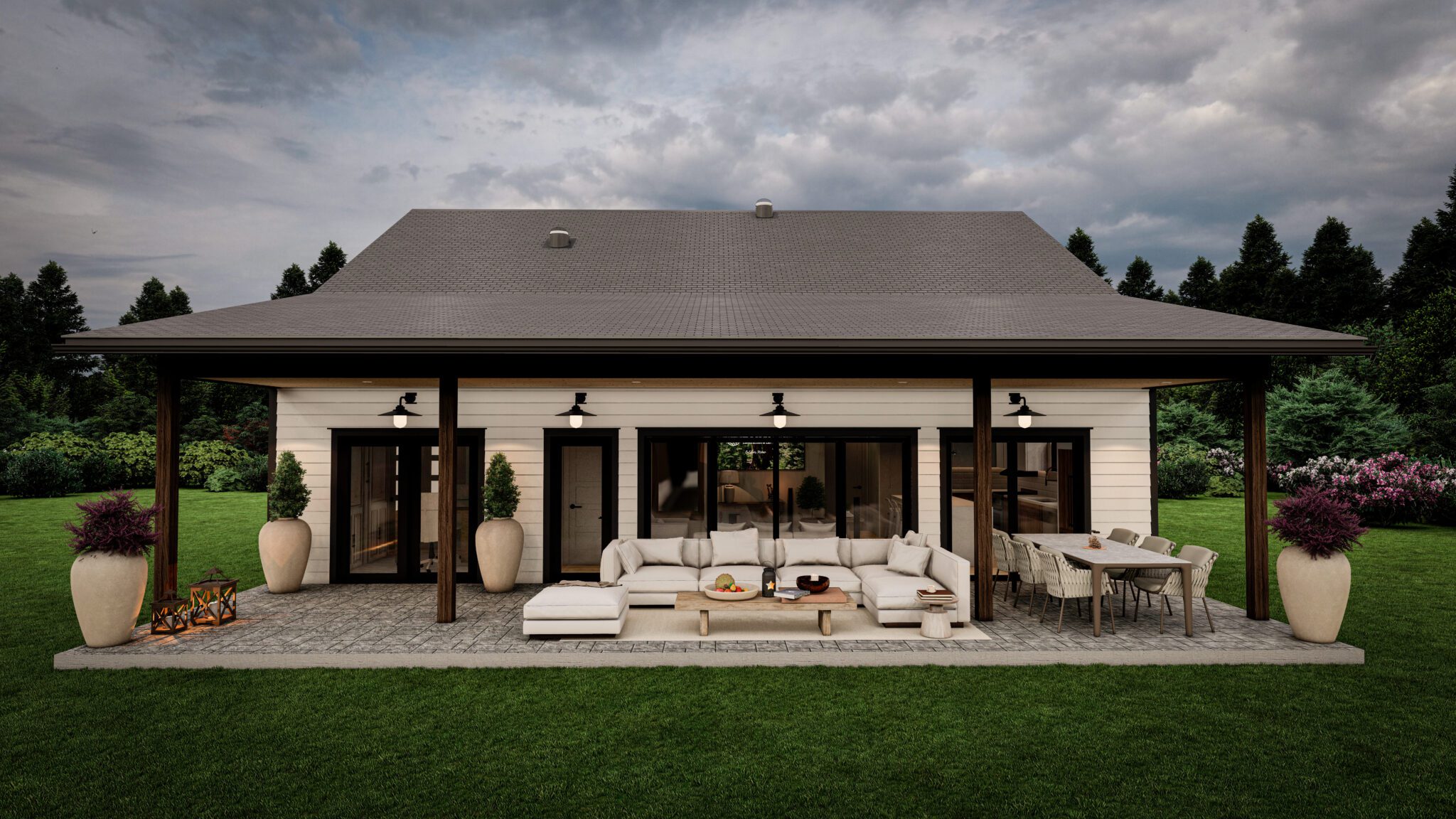
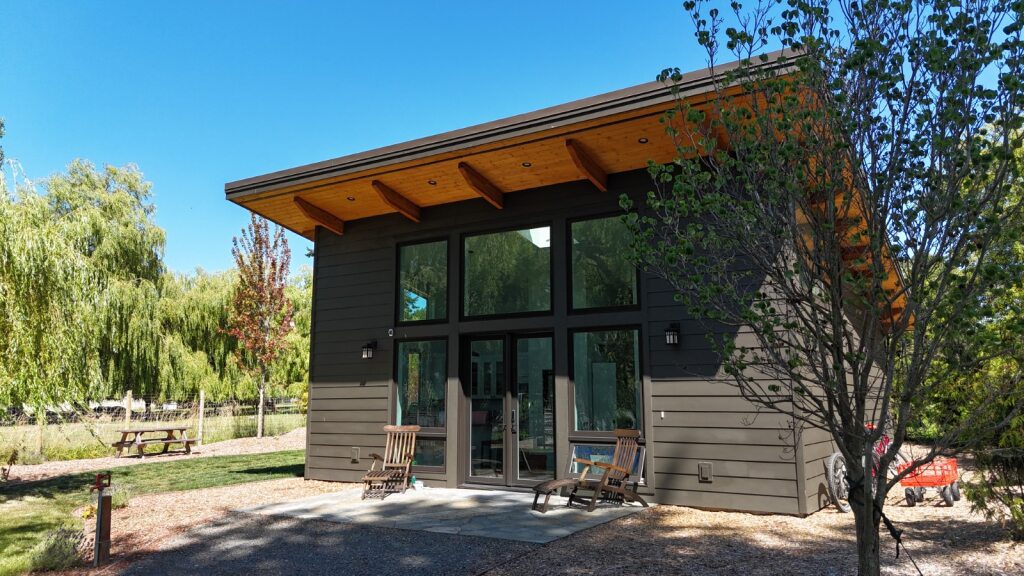
An ADU is a small, self-contained residential unit located on the same lot as a primary single-family home. It includes its own kitchen, bathroom, and sleeping area and may be attached to the main home or built as a detached structure such as a backyard cottage or converted garage. Unlike standard accessory buildings, ADUs are allowed to include cooking facilities and house non-family members.
Property Feasibility & Zoning
In most cases, ADUs are permitted on properties that are located in residential single-family, multi-family, or urban village zones, contain one primary single-family residence, and are not located within the Lake Whatcom watershed. While zoning is the first filter, lot size, slope, access, critical areas, utilities, and recorded covenants can all affect feasibility, which is why a site-specific review is essential before design begins.
As of 2026, up to two ADUs are allowed per lot with a single-family residence. These may be attached, detached, or a combination of both, and each ADU is limited to 1,000 square feet of habitable space.
Washington State law requires cities to remove owner-occupancy requirements for ADUs. In Bellingham, owner-occupancy requirements are eliminated in mid-2026, six months after the City’s Comprehensive Plan update takes effect. After that point, homeowners are no longer required to live on-site when adding ADUs in single-family zones. Projects permitted prior to that date may still include an owner-occupancy affidavit requirement, which is important to understand when planning project timing and rental use.
The Sunset of Owner-Occupancy (July 1, 2026)
In the City of Bellingham, the owner-occupancy requirement officially sunsets on July 1, 2026. After this date, you can legally rent out both your primary home and your ADU(s) as independent units. For properties located in unincorporated Whatcom County Urban Growth Areas (UGAs), owner-occupancy is already no longer required. This shift allows for much greater flexibility, enabling homeowners to relocate while retaining their property as a dual-income investment without having to submit annual residency affidavits.
ADU Size, Height & Placement Rules
The maximum size for an ADU in Bellingham is 1,000 square feet, and detached ADUs are limited to a height of 24 feet. One important exception applies to basement conversions: if the entire basement of a home that is more than five years old is being converted into an ADU, the unit may exceed 1,000 square feet without requiring a modification request.
Detached ADUs must be separated from the primary residence by a minimum of six feet. Side and rear yard setbacks are typically five feet, though no setback is required when the structure is adjacent to an alley. Street-facing garages are subject to deeper setbacks, including a 25-foot front setback and a 10-foot side-flanking setback.
Each ADU must also have direct access to a street, alley, or driveway via a lighted path. This requirement is often overlooked early in the design process and can influence both placement and site layout.
Parking Requirements
Bellingham generally requires one off-street parking space per ADU, in addition to the parking required for the primary residence. However, parking is waived when public street parking is available on at least one side of the block face or when the ADU is located within one-half mile walking distance of a major transit route. Many properties in Bellingham qualify for a parking waiver, particularly in urban villages and near transit corridors.
The 2026 Parking Revolution (Interim Ordinance 2025-12-032)
The biggest shift for 2026 is the temporary elimination of parking mandates. Under interim Ordinance 2025-12-032, which took effect on December 23, 2025, the City of Bellingham has removed all off-street parking requirements for ADUs and infill housing citywide.
This means you are no longer forced to pave over your backyard or garden to add a housing unit. This interim rule is currently set to expire on December 4, 2026, unless the City Council takes further action. If you have a site that was previously deemed “unbuildable” due to parking constraints, this is your window of opportunity to lock in a permit without a mandated parking stall, potentially saving between 5,000 and 15,000 in construction and site-work costs.
Note: In unincorporated Whatcom County Urban Growth Areas (UGAs), one off-street space is still generally required for lots smaller than 6,000 square feet.
Design & Planning Considerations
Successful ADU projects balance zoning compliance with livability, privacy, and long-term flexibility. The most effective designs consider not only how the unit fits on the lot, but how it will function over time.
ADUs in Whatcom County are commonly designed for long-term rental income, multigenerational living, aging-in-place, or future resale flexibility. Early coordination of zoning, utilities, and site constraints helps ensure designs are permit-ready and buildable, reducing costly revisions during permitting or construction. A design-first, design-build approach, like the one outlined in our ADU design and build services, helps streamline this process from the start.
Permitting & Review Process
Most ADU projects require two separate approvals before construction can begin. The ADU permit addresses zoning-related items such as placement, size, setbacks, and parking, while the building permit covers structural, fire, energy, plumbing, electrical, and mechanical systems. The City of Bellingham provides detailed guidance on these requirements in its official ADU Homeowner Handbook, which is a helpful reference when planning your project.
Projects that meet all development standards typically qualify for a Type I permit, which is a streamlined staff-level review with no public notice. When a project requires a minor modification, such as a reduced setback or parking waiver, a Type II permit is required and includes public notice. A Type III Conditional Use Permit is required when a new detached accessory building exceeds 1,000 square feet in total size, even if the ADU portion itself complies with size limits.
Understanding which permit path applies early in the process can significantly affect timelines and overall project planning.
Utilities, Site Work & Technical Constraints
Most single-family homes in Bellingham are served by a ⅝-inch water meter. When an ADU increases the total fixture count beyond 31 Water Supply Fixture Units, the meter must be upgraded to a ¾-inch meter. System Development Charges for water and sewer upgrades are typically around $7,000 and are assessed at the time of permit issuance.
ADUs must also have unrestricted access to water shutoffs, gas shutoffs, and the electrical panel serving the unit. Any unpermitted work discovered during the permitting process must be legalized and brought up to current code, and all ADUs must comply with the Washington State Energy Code. Utility planning is one of the largest cost variables in ADU projects and should be evaluated early.
ADU Costs & Budget Expectations (2026)
In Bellingham and greater Whatcom County, typical ADU cost ranges are approximately $250,000 to $450,000 or more for a new detached ADU, and $180,000 to $320,000 or more for an attached ADU or conversion. Actual costs vary based on site conditions, utility upgrades, and finish selections.
In addition to construction costs, homeowners should budget for City-related fees such as park impact fees, transportation impact fees, building permit fees, and potential water or sewer upgrades. A realistic budget early in the process helps avoid surprises later.
Timeline: From Idea to Move-In
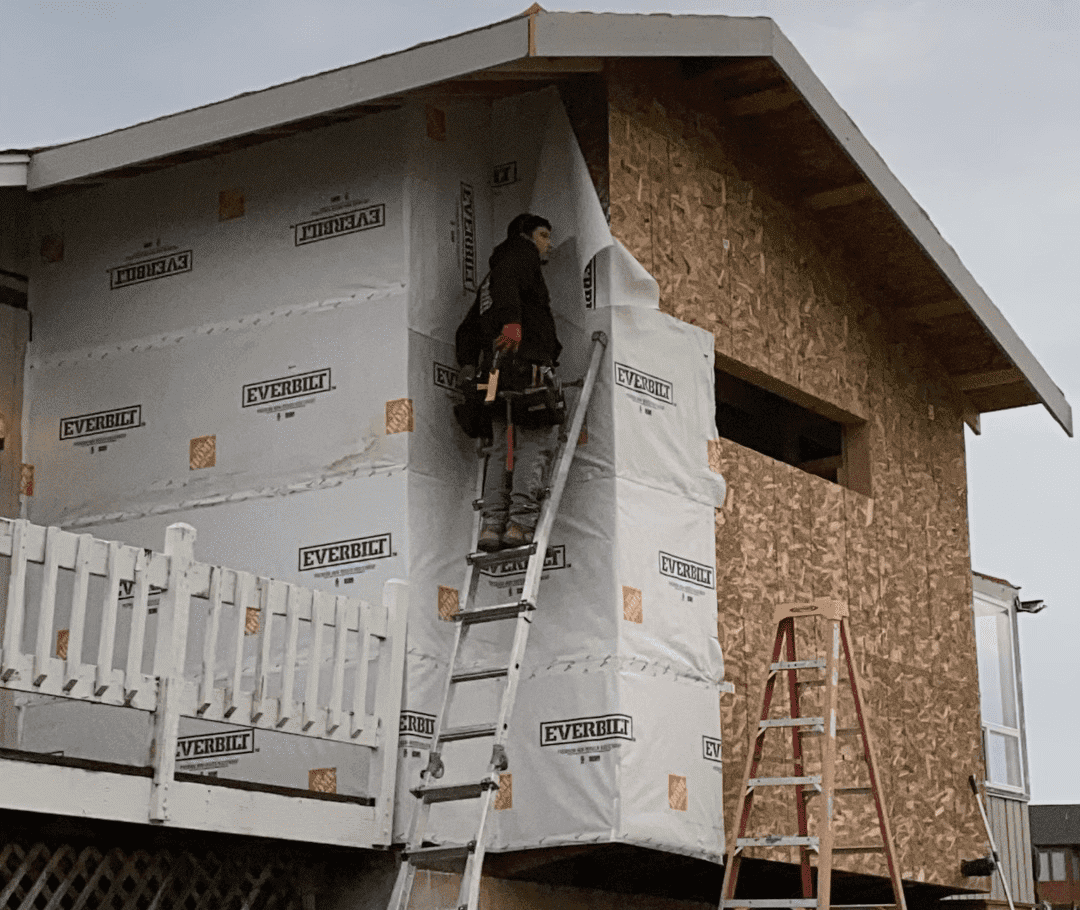
A typical ADU timeline in Whatcom County includes one to two months for planning and design, six to twelve months for permitting, and three to five months for construction. Most projects fall within a total timeframe of twelve to twenty-four months, depending on complexity, permit type, and site conditions.
Rental Use, ROI & Long-Term Flexibility
A well-designed one-bedroom ADU in Bellingham typically rents for approximately $1,500 to $2,500 per month, depending on location, size, and finishes. ADUs often increase property value while providing long-term flexibility for changing family or financial needs.
Detached ADUs are generally not permitted to operate as short-term rentals in residential zones. Where short-term rentals are allowed, only one unit per lot, either the primary residence or the ADU may be used for short-term rental purposes. These rules should be reviewed carefully before planning an ADU primarily for short-term use.
2026 ADU Frequently Asked Questions
Do I need a parking space for my ADU in Bellingham? No. Under interim Ordinance 2025-12-032, all off-street parking requirements for ADUs are eliminated citywide until December 4, 2026.
Can I rent out both my house and the ADU? Yes. Starting July 1, 2026, the owner-occupancy requirement is nullified, allowing both units to be operated as independent rentals.
Can I sell my ADU separately from my main house? Yes. State and local laws now allow for ADUs to be sold as independent condominium units or through unit lot subdivisions.
What is the maximum size allowed for an ADU? Most ADUs are capped at 1,000 square feet of habitable space, but basement conversions in homes older than five years can exceed this limit.
Final Thoughts
Designing and building an ADU in Whatcom County is more than a construction project, it is a zoning, permitting, and long-term investment decision. Starting with a clear feasibility review and working with a team that understands local code, utilities, and site constraints can save significant time and cost.
At Puget Construction & Landscape, ADU projects are approached through a fully integrated design-build process that connects early planning, permitting, and construction into one coordinated effort. This approach helps ensure that ideas move smoothly from concept to completion without costly disconnects along the way.